Cladding Replacement in Boston, MA
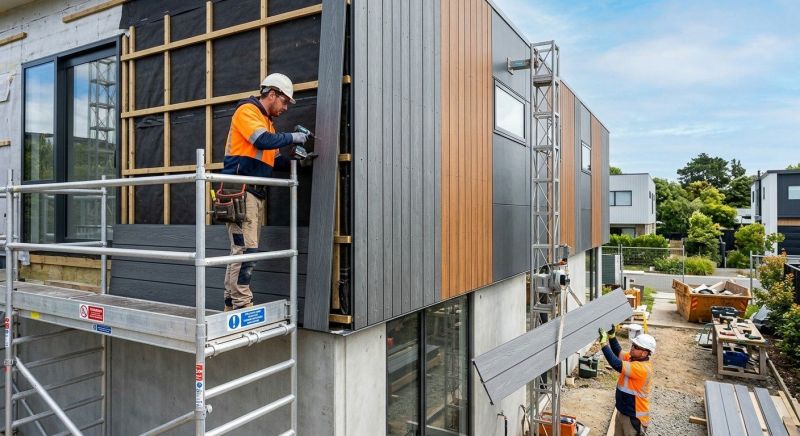
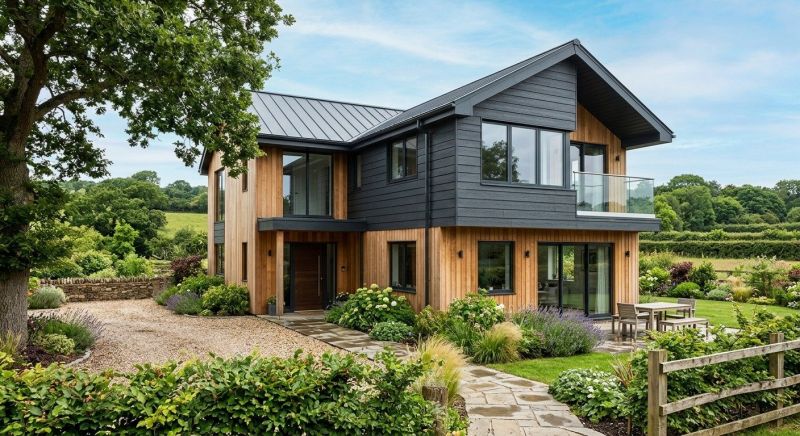
Cladding replacement services involve removing and upgrading the exterior covering of a building to improve its appearance, durability, and insulation. This process is commonly requested for projects such as updating worn or damaged siding, enhancing energy efficiency, or modernizing the look of residential properties like homes and apartment buildings. Property owners typically want to understand the different types of cladding materials available, such as vinyl, fiber cement, or wood, and how these options can impact the building’s insulation and maintenance needs before proceeding with a replacement.
Homeowners considering cladding replacement should also evaluate the scope of the project, including whether it involves partial or full exterior updates, and assess the condition of the existing exterior to determine if repairs are needed beforehand. It is important to understand the potential benefits of new cladding, such as improved curb appeal and increased insulation, as well as any local building codes or regulations that may influence the selection and installation process. Proper planning ensures the new exterior covering enhances the property’s value and longevity.
Many property owners in Boston, MA look into Cladding Replacement for repairs, replacements, upgrades, and appearance-related improvements.
Enhancing Building Appearance
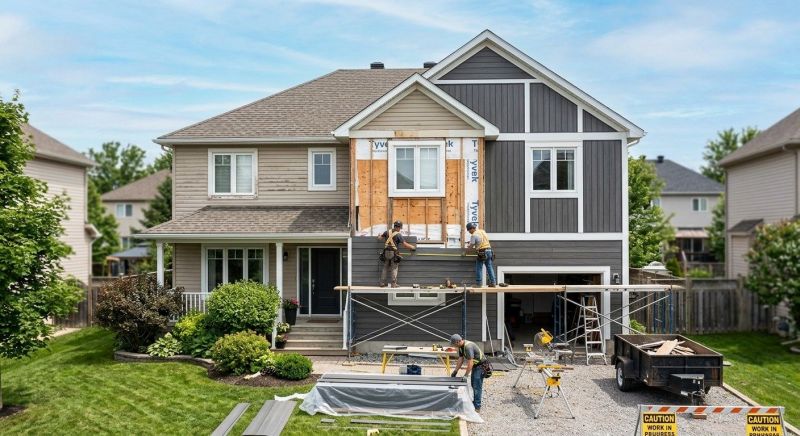
Cladding replacement can improve the aesthetic appeal of residential and commercial properties in boston and nearby areas.
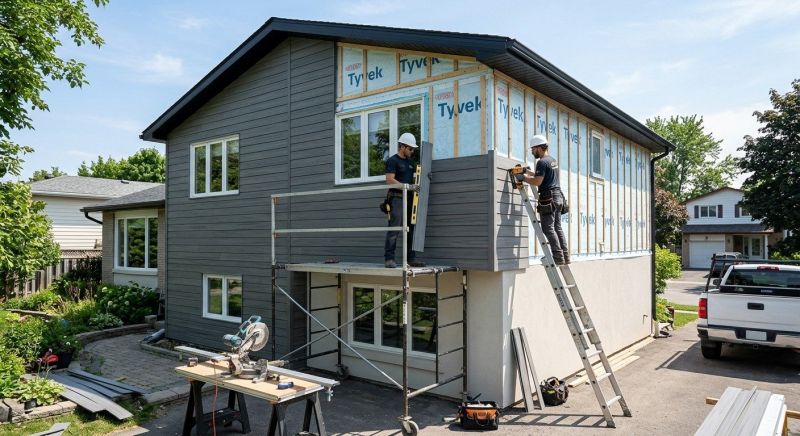
Improving Structural Protection
Replacing damaged or outdated cladding helps safeguard buildings against weather elements and extends their lifespan.
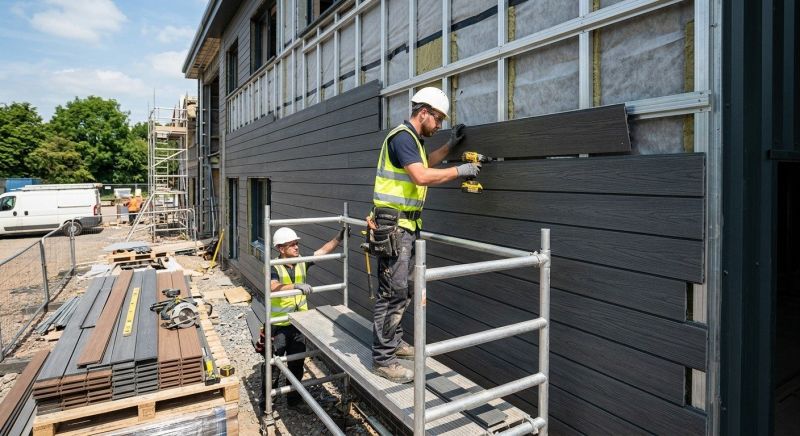
Upgrading For Modern Standards
Cladding updates can meet current building codes and provide a fresh, contemporary look for properties in boston, ma.
Cladding Replacement in Boston, MA

Cladding replacement services involve removing and upgrading the exterior covering of a building to improve its appearance, durability, and insulation. This process is commonly requested for projects such as updating worn or damaged siding, enhancing energy efficiency, or modernizing the look of residential properties like homes and apartment buildings. Property owners typically want to understand the different types of cladding materials available, such as vinyl, fiber cement, or wood, and how these options can impact the building’s insulation and maintenance needs before proceeding with a replacement.
Homeowners considering cladding replacement should also evaluate the scope of the project, including whether it involves partial or full exterior updates, and assess the condition of the existing exterior to determine if repairs are needed beforehand. It is important to understand the potential benefits of new cladding, such as improved curb appeal and increased insulation, as well as any local building codes or regulations that may influence the selection and installation process. Proper planning ensures the new exterior covering enhances the property’s value and longevity.
Many property owners in Boston, MA look into Cladding Replacement for repairs, replacements, upgrades, and appearance-related improvements.
Common Cladding Replacement Jobs
Cladding Replacement - upgrades or repairs existing exterior wall coverings for improved appearance and protection.
Vinyl Cladding Replacement - replaces worn or damaged vinyl siding to enhance curb appeal and durability.
Fiber Cement Cladding - updates or replaces fiber cement panels for a long-lasting, low-maintenance exterior.
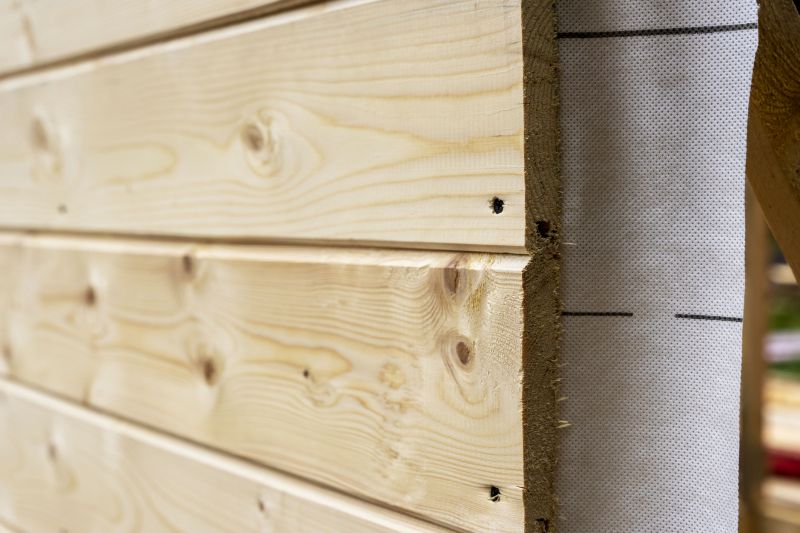
Wood Cladding Replacement - restores or replaces wood siding to maintain traditional aesthetics and structural integrity.
Metal Cladding Replacement - swaps out corroded or outdated metal panels to ensure weather resistance and style.
Insulation Behind Cladding - improves energy efficiency by replacing or adding insulation during the cladding upgrade.
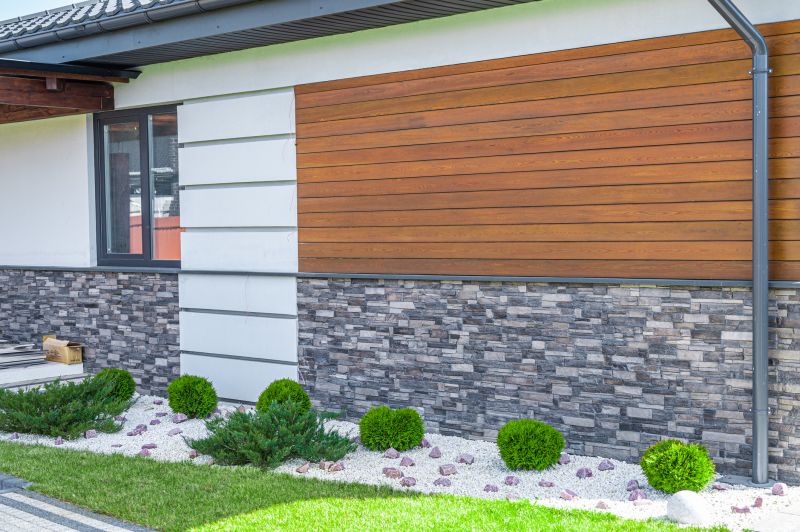
Cladding Replacement Questions
What is cladding replacement? Cladding replacement involves removing old or damaged exterior panels and installing new ones to improve the appearance and protection of a building.
When should cladding be replaced? Replacement is recommended when existing cladding is significantly damaged, deteriorating, or no longer provides adequate weather resistance.
What types of cladding materials are available? Common options include vinyl, fiber cement, wood, and metal panels, each offering different aesthetic and durability benefits.
How does cladding replacement benefit property owners? It enhances curb appeal, increases energy efficiency, and helps protect the structure from weather-related damage.
Request Cladding Replacement in Boston, MA
Use the quote form on this page to share the basics of your project and request more information for the type of work you need.